DJ Andrea Luis: “Après-ski in Limone? At first, it was an idea. Then it became a way of experiencing the mountains”
From music to the birth of a new tradition: we meet Andrea Luis, the DJ who brought après-ski culture to Limone Piemonte, helping turn an afternoon on the slopes into a proper celebration—a moment for socialising and having fun.
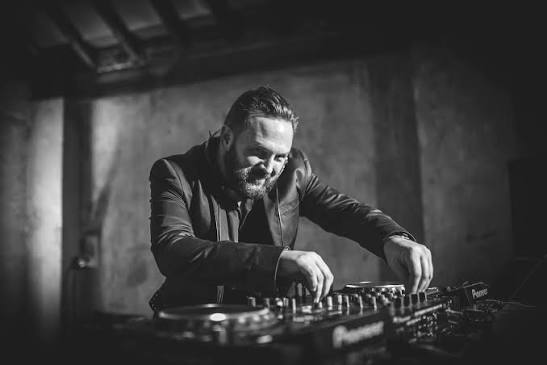
Today, it all seems perfectly normal: the music turning up in the afternoon, tables where friends and strangers gather, people dancing in their ski boots. But there was a time when none of this existed in Limone Piemonte, at least not in the form we know today.
One of the people behind this transformation is Andrea Luis, a DJ and communications professional who brought a concept already popular in other Alpine destinations to this Piedmont resort: après-ski.
We met him to hear how the idea came about, how the crowd has changed and what it means today to entertain people in the mountains.
Andrea, let’s start at the beginning. How did you get the idea of bringing après-ski to Limone Piemonte?
It came from a very simple thought: why should the fun in the mountains end when you stop skiing? In many Alpine resorts, especially in France and Austria, which I used to visit, let’s say, almost religiously, après-ski was already an integral part of the experience on the snow. People didn’t go to the mountains just to ski, but also to soak up the atmosphere, meet people, listen to music and have fun. Limone had everything it needed to develop something similar: a beautiful resort, an interesting crowd and an important tourism tradition. It was simply missing that custom. I thought it was worth trying to create it.
Was it easy to convince people?
It was way back in 2006, and whatever credit I deserve, if that’s what we want to call it, should be shared with the person who ran Baita 2000 at the time, the well-known Angelo. At first, the main thing was to explain what après-ski was. It wasn’t a nightclub opening early in the afternoon, or just a party with a DJ. Après-ski is a shared ritual, a moment when the day on the slopes turns into something else. The interesting thing is that once people understand how it works, they make it their own. They start planning their day around that moment, too. They no longer just say, “Let’s go skiing,” but also, “Where shall we go afterwards?” That’s when you realise you’ve helped change a habit.
And here we are in 2026, with a lot of time having passed at Baita 2000…
Yes, and many managers have come and gone, continuing to believe in the project. They deserve credit too, especially the latest one, Giannino. Together, we introduced many new ideas that took the party to levels we could never even have imagined.
What sets a real après-ski apart from a regular DJ set?
The atmosphere, first and foremost. People go to a nightclub specifically to dance. At après-ski, they arrive after a day in the mountains, perhaps tired, still wearing their ski boots, and not necessarily intending to party. The DJ’s job is to guide them through a transformation. It starts with music that sets the scene, then the energy gradually builds until everyone gets swept up in it. Real success isn’t seeing people dance who would have come to dance anyway. It’s seeing people enjoy themselves who hadn’t even considered doing so.
How would you describe your musical style?
I’m not a big believer in DJs who only play what they like. Of course, you need a musical identity, but above all, you need to know how to read the crowd. At an après-ski, you can have twenty-year-olds next to fifty-year-olds, Italians, French people, tourists, groups of friends and families. You have to make them all feel part of the same party. I like to mix big classics, dance music, tracks everyone knows and a few surprises. The common thread has to be energy. I’m not interested in showing off how refined my music selection is if people aren’t having fun.
Has Limone’s crowd changed over the years?
I think the way people experience the resort has changed most of all. In the past, a day in the mountains was much more closely tied to skiing itself. Today, people are looking for a more complete experience. Music, events and après-ski help make a destination appealing even to people who aren’t necessarily keen skiers. That’s important, because a tourist destination needs to offer reasons to visit beyond the snow conditions. There’s also a social side that I think is wonderful: at après-ski, you meet people you might never otherwise have met. Friendships form, groups grow closer and traditions are born. For many, it becomes an unmissable date in the calendar.
You also work in communications. How important is that side of things to an event’s success?
Very important. A music event isn’t just about the music. It’s a combination of elements that all have to work: the venue, the crowd, the image, the communications, the time of day and, of course, the atmosphere. The DJ is one part of it all, even if it’s the most visible one. I think my experience in communications has helped me think in terms of the overall experience, rather than just a night out or a performance.
Après-ski has also become fashionable. Is there a risk of losing its original spirit?
Certainly. When something works, everyone tries to copy it. But putting two speakers, a DJ and a few bottles on a terrace doesn’t automatically make it après-ski.
What is your relationship with Limone Piemonte today?
It’s a resort I feel attached to, partly because I like to think I played a small part in introducing something that wasn’t previously part of its traditions. Seeing people come together to celebrate, look forward to a music event and associate a day on the snow with an afternoon of fun is a real source of satisfaction. And I think Limone still has huge potential. Its proximity to France, Liguria and the French Riviera is an extraordinary opportunity. The resort needs to keep working on its identity and the quality of what it offers.
Do you feel a bit like the father of après-ski in Limone?
“Father” might be a bit much. Let’s just say I like the idea that I helped spark something. I didn’t invent après-ski, of course. It had existed for decades in resorts all over the world. My contribution, if we want to call it that, was to imagine it could work in Limone too and help make it a reality. Then good things grow thanks to lots of people: those who organise, those who provide the spaces, those who work at the events and, above all, those who take part.
One last question: after so many years behind the decks, what still moves you?
There’s one particular moment. A track comes on, maybe one I haven’t played in a long time, and suddenly everyone starts singing. Different people, of different ages, sharing exactly the same emotion for three minutes. That’s when you realise music can still do something extraordinary. And if all this happens in the mountains, with snow all around and the sun beginning to set, well… it’s hard to imagine a better place. Ultimately, that’s exactly the spirit of après-ski: the day on the slopes ends, but the day you’ll remember has only just begun.